


Why Do Gums Bleed While Brushing? Causes and What to Do
Blood on your toothbrush is not always something to shrug off — the common causes of bleeding gums, simple habits that help, and when to see a dentist.
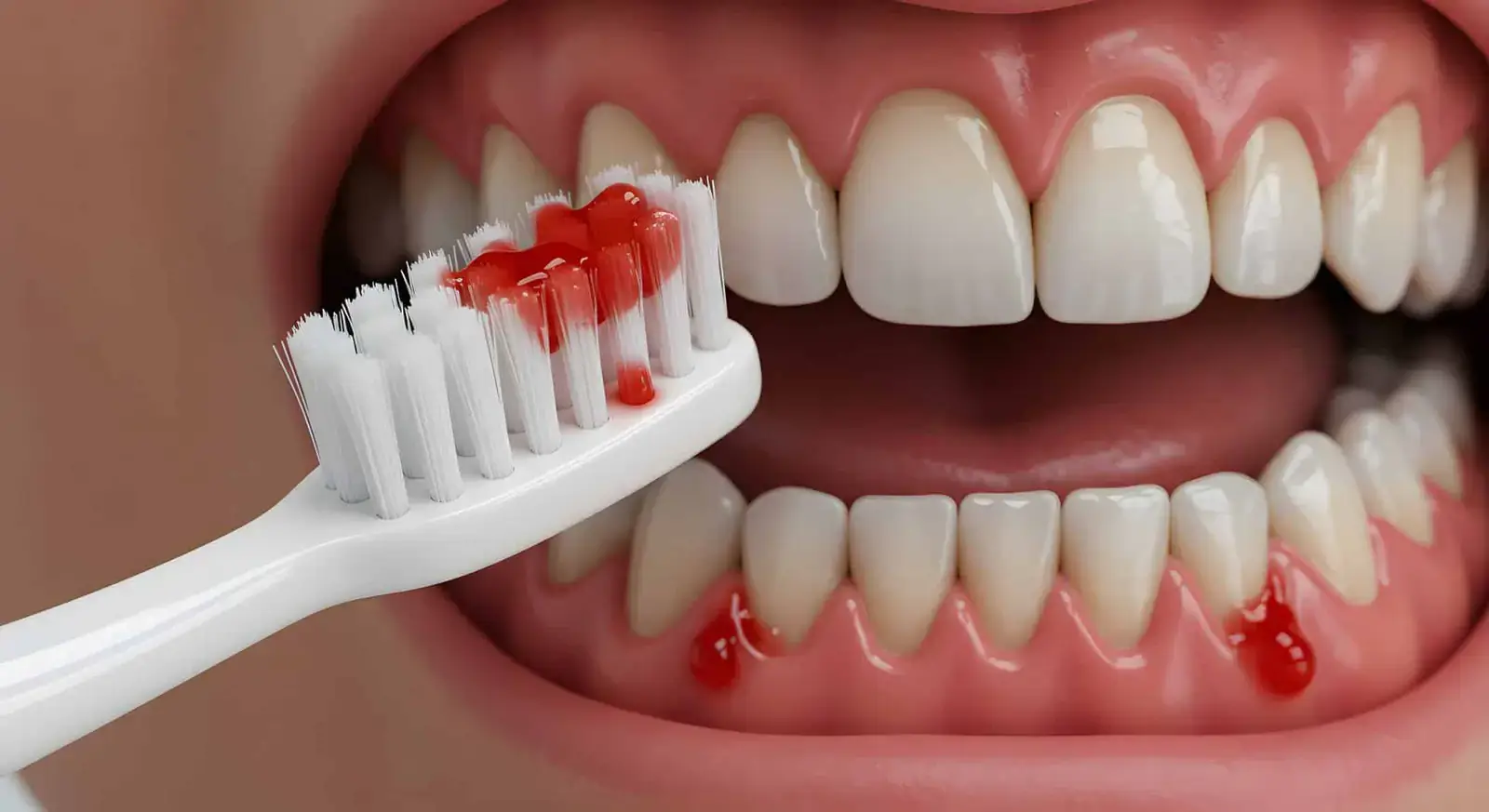
Seeing blood when you brush or floss can be worrying. Some people may think it is normal or simply a sign that they are brushing too hard. But bleeding gums can sometimes be a sign that your gums need more attention.
The good news is that many causes of bleeding gums can be managed with proper oral care and timely dental treatment.
Let's look at some common reasons why your gums may bleed while brushing and what you can do about it.
Common Causes of Bleeding Gums
1. Plaque Buildup
Plaque is a sticky layer of bacteria that naturally forms on your teeth. If it is not removed properly through regular brushing and cleaning, it can build up around the gumline.
Over time, this can irritate the gums and cause redness, swelling, and bleeding.
2. Gum Disease
Bleeding gums can be an early sign of gum disease.
Gingivitis is the early stage of gum disease and may cause red or swollen gums, bleeding while brushing, tender gums, and bad breath.
If gum problems are ignored, they can become more serious and affect the tissues supporting your teeth.
3. Brushing Too Hard
Brushing harder does not mean brushing better.
Using too much pressure or a hard-bristled toothbrush can irritate your gums and may cause bleeding. A soft-bristled toothbrush and gentle brushing technique are usually better for your gums.
4. Flossing
If you have recently started flossing, you may notice some bleeding at first, especially if your gums are already irritated.
This does not mean you should stop cleaning between your teeth. However, if bleeding continues regularly, it is worth discussing it with a dentist.
5. Poor Oral Hygiene
Skipping brushing or cleaning between your teeth allows plaque to build up.
Regular brushing twice a day and cleaning between your teeth can help keep plaque under control and support healthier gums.
6. Smoking and Tobacco Use
Tobacco can affect your gums and overall oral health. People who use tobacco may have a higher risk of developing gum problems.
If you use tobacco, consider talking to a healthcare professional about quitting.
What Can You Do About Bleeding Gums?
A few simple habits can help improve your oral health:
- Brush twice a day with a soft-bristled toothbrush
- Use gentle, circular movements while brushing
- Clean between your teeth regularly
- Avoid aggressive brushing
- Limit sugary foods and drinks
- Drink enough water
- Schedule regular dental check-ups
- Consider professional teeth cleaning if plaque or tartar has built up
When Should You See a Dentist?
Occasional bleeding may not always mean there is a serious problem, but frequent or persistent bleeding should not be ignored.
Visit a dentist if you notice:
- Gums that bleed regularly
- Swollen or painful gums
- Persistent bad breath
- Receding gums
- Loose teeth
- Pus around the gums
- Pain while chewing
A dentist can examine your gums and teeth and determine what may be causing the bleeding.
Can Professional Teeth Cleaning Help?
If plaque has hardened into tartar, regular brushing cannot completely remove it.
A professional dental cleaning can remove this buildup from the teeth and areas around the gumline. Your dentist can also advise you on how to maintain your oral hygiene at home.
Final Thoughts
Bleeding gums are not something you should simply ignore. They can be caused by something as simple as brushing too hard, but they can also indicate gum inflammation or other dental problems.
Good daily oral care, regular dental visits, and timely treatment can help keep your gums healthy.
If your gums continue to bleed or you have other symptoms, consider visiting a dentist for a proper examination rather than trying to diagnose the problem yourself.
Read About These Treatments
Each treatment page explains what the procedure involves, so you can understand your options before discussing them with your dentist.
Other Dental Articles



Have a Dental Question?
Online information can help you understand a dental concern, but it cannot replace an examination.
If you have persistent tooth pain, bleeding gums, a damaged tooth or another concern, speak with a dentist for an appropriate assessment.
Prefer to write to us? Send your question and our team will get back to you.
